
Stone Wickerwork: How Architects Turned an Engineering Tool into Art
In 1997, in California's Napa Valley, two Swiss architects completed a winery unlike anything else in the region — and did it using a material borrowed directly from river engineering.
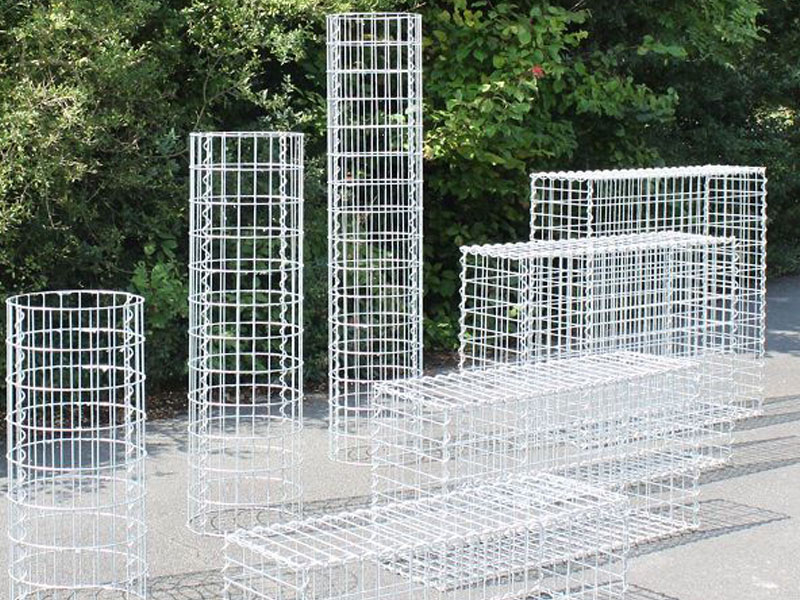
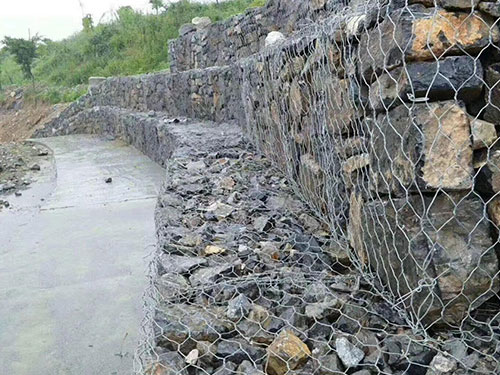
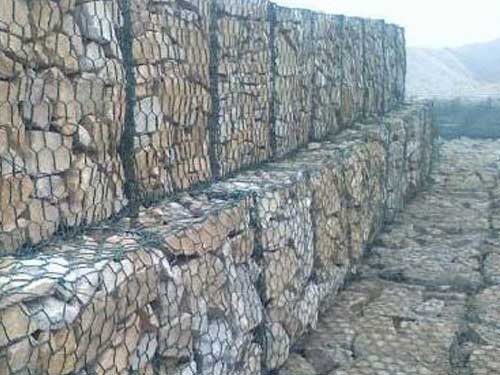
Commissioned by a Bordeaux winemaker to design a production facility for his wine estate, the two architects faced an unusual brief: create a long, low building capable of managing Napa Valley's extreme daily temperature swings — scorching by day, cold by night — without leaning heavily on mechanical air conditioning. Their solution became the building's defining feature. Rather than conventional masonry or curtain-wall glass, the architects clad the winery's exterior in gabions: wire cages packed with locally quarried basalt, a material typically reserved for retaining walls and riverbank protection, repurposed here as an architectural facade.
The choice was practical as much as aesthetic. The dense stone mass inside the gabions absorbs heat throughout the day and releases it gradually after dark, moderating the temperature inside the barrel and fermentation rooms without demanding constant mechanical cooling — essentially using thermal mass the way traditional adobe or rammed-earth construction has for millennia, but assembled from an industrial engineering component instead. The architects also varied how densely each section of gabion was packed with stone, tightening some areas to near-solid opacity for structural or thermal reasons while leaving others looser, so that daylight filters through the gaps between rocks and falls across the interior in a shifting, dappled pattern that changes with the time of day and season.
The two architects later described the effect as a kind of stone wickerwork — walls with the texture and permeability of woven material rather than solid masonry, transforming a purely functional piece of civil engineering hardware into something closer to a tactile architectural skin. The design team reportedly built full-scale mock-up sections of the gabion wall, both in their Basel studio and on the Napa site itself, to test exactly how much stone density would yield the transparency and structural performance they wanted before committing to full construction.
This winery was the pair’s first completed project in the United States; the two designers went on to win architecture's Pritzker Prize in 2001 and later designed London's Tate Modern and Beijing's "Bird's Nest" Olympic stadium, among many other notable buildings. But the winery remains a distinctive credit on that list for a narrower reason: it is one of the clearest examples of an ordinary infrastructure product — normally hidden along a riverbank or beneath a highway — being elevated, quite deliberately, into architecture.

Check more information about gabions?
Tell us your request and get a free quote