
Caged Stones — An Ancient Engineering Secret That Still Works Today
Imagine a structure so simple that it has remained virtually unchanged for 7,000 years, yet it continues to solve some of our most complex engineering challenges. That is the gabion—a humble wire basket filled with stone.
A History Written in Stone
The earliest known use of gabion-like structures dates to ancient Egypt, where woven reed baskets filled with rocks helped control the annual floods of the Nile. Millennia later, a similar innovation emerged independently in China: bamboo cages filled with stone that contributed to the construction of the Dujiangyan irrigation system more than 2,000 years ago—a project still in use today.
The word gabion comes from the Italian gabbione, meaning “big cage.” For centuries, military engineers relied on them to build rapid fortifications, filling wicker baskets with earth to shield troops from enemy fire.

What Exactly Is a Gabion?
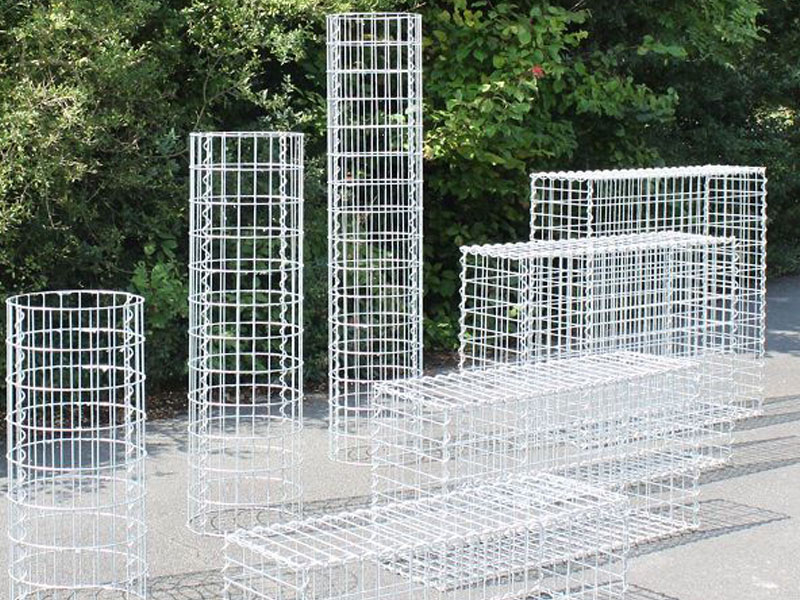
Today’s gabions are engineered containers made from double-twisted hexagonal wire mesh, typically galvanized or coated with corrosion-resistant materials such as PVC or zinc-aluminum alloy. These empty baskets are transported flat to construction sites, assembled on location, and filled with locally available stone or other materials.
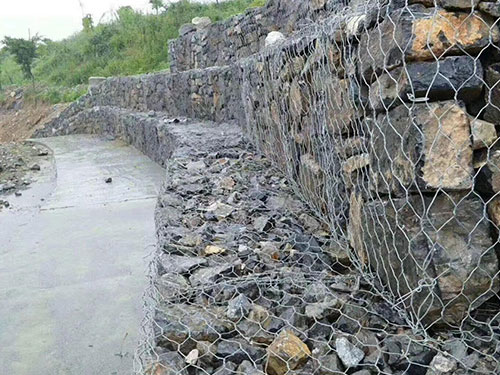
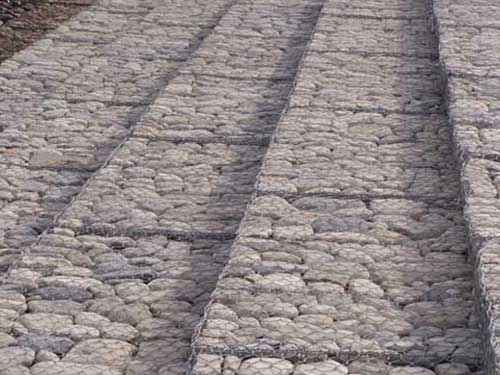
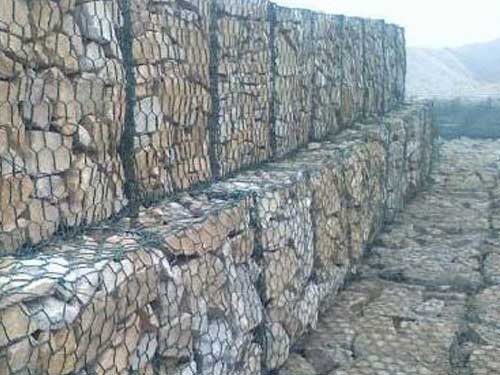
The result is a structure that behaves nothing like a rigid concrete wall. Gabions are flexible—they yield to earth movement without cracking. They are permeable—water flows through them, relieving pressure that would otherwise destroy solid barriers. And they are living—over time, vegetation takes root in the gaps between stones, transforming a purely functional structure into a habitat.
Why Ancient Wisdom Endures
In an age of high-tech materials, why do we still rely on wire baskets filled with rock? Because they work. Gabions require no skilled labor to install, adapt to difficult terrain, and can be built using materials found on site. They settle and flex rather than fail catastrophically. And when they reach the end of their long service life—often measured in decades—they can be recycled or simply left to blend back into the landscape.
The gabion is proof that sometimes the most elegant engineering solutions are also the oldest.

Check more information about gabions?
Tell us your request and get a free quote