
Beyond the Riverbank: Gabions in Modern Architecture
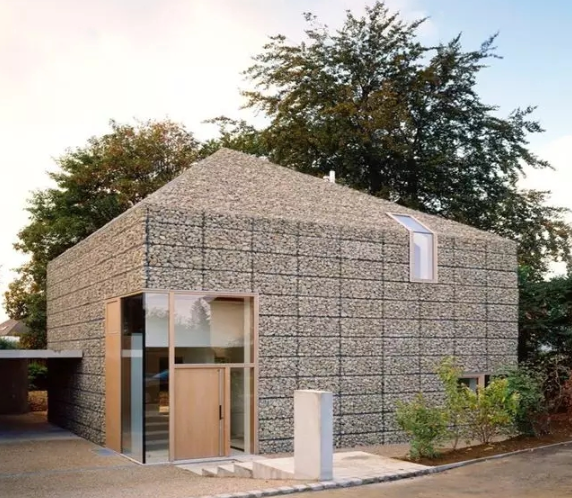
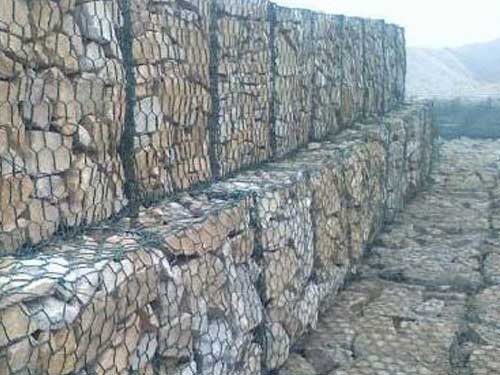
For centuries, gabions were the exclusive domain of civil engineers—sturdy workhorses deployed along riverbanks, railway embankments, and military fortifications. Then, architects discovered their aesthetic potential, and the role of these wire-bound stone baskets was transformed forever.
.png)
From Industrial to Inspirational
The shift began in the early 1990s, when British architect Ian Ritchie proposed using gabions as freestanding cantilevered walls for a cultural greenhouse in Terrasson, France. The steeply sloping site demanded a robust soil retention system, but rather than conceal the engineering solution, Ritchie chose to celebrate it. Wire baskets filled with locally sourced quarry stone not only harmonized with the surrounding landscape but also provided the thermal mass necessary to regulate the greenhouse's internal temperature.
A Canvas for Creativity
Today, architects around the globe are reimagining gabions as expressive design elements. In Chongqing, China, the Qingtai Market employs gabion walls filled with regional stone as both retaining structures and façade treatments. This approach references the site's history as a disused quarry while streamlining the construction process.
In Yancheng, China, the Yellow Sea Wetlands Museum takes a different tack. Designers repurposed railway gravel salvaged from an abandoned station to fill the gabion walls, transforming industrial detritus into a compelling architectural narrative.
Perhaps the most inventive application can be found at Eco Park in Durrës, Albania. There, gabion cages are filled not with traditional stone but with a vibrant assortment of recycled materials—a striking visual manifesto on waste, renewal, and the possibilities of a former landfill.
Moving Indoors
Gabions are no longer confined to exterior applications. The Rock Guitar restaurant in Athens, Greece, incorporates stone-filled gabion walls as interior partitions. Their rugged, tactile surface creates a dramatic contrast with sleek, polished finishes, cultivating an earthy and distinctly memorable atmosphere.
Award-Winning Innovation
Even remote backcountry infrastructure is receiving the gabion treatment. The Long's Peak Privies in Colorado's Rocky Mountain National Park—recipients of an Architizer A+Award—consist of four prefabricated gabion structures situated at elevations approaching 13,000 feet. Filled with locally collected rocks, these facilities blend unobtrusively into the austere alpine environment while delivering durable, low-maintenance sanitation.
The gabion has proven, beyond any doubt, that functional engineering and architectural beauty are not mutually exclusive.
Check more information about gabions?
Tell us your request and get a free quote